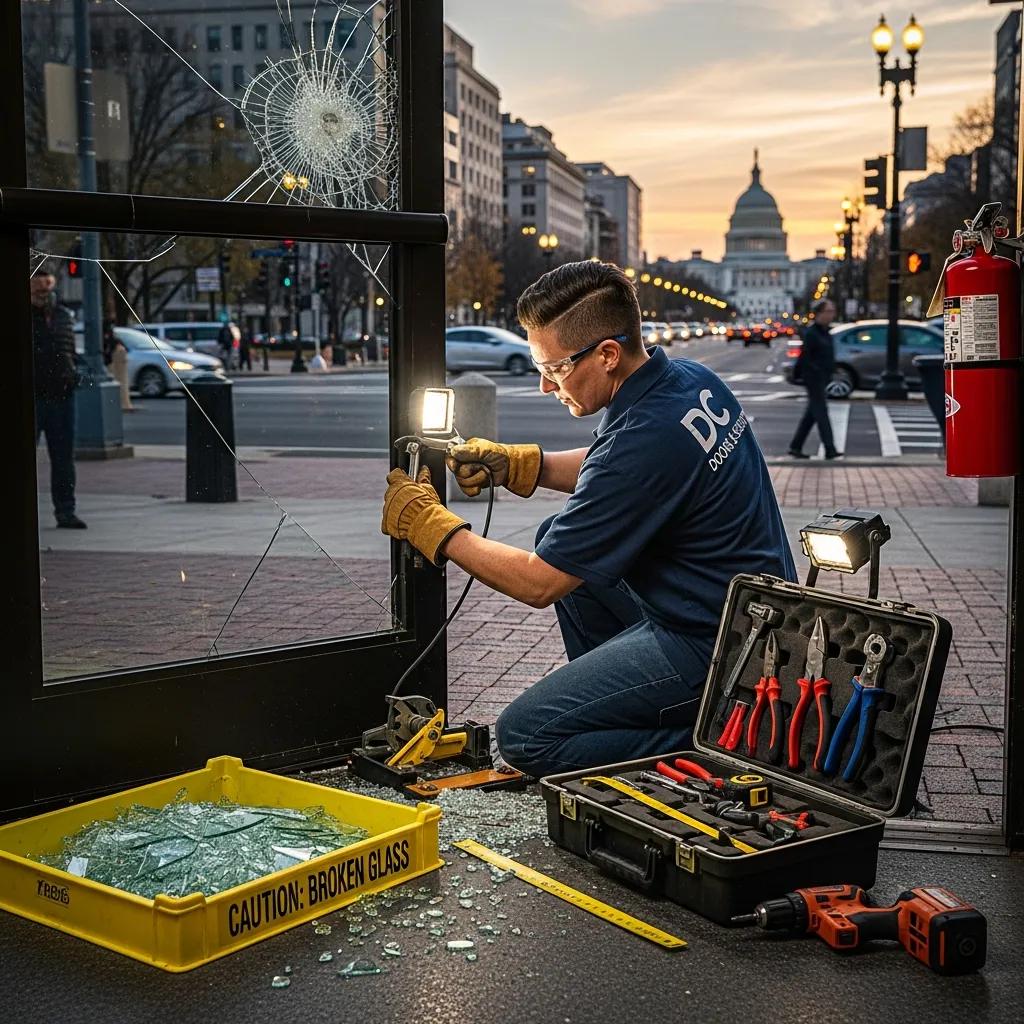



Is Your DC Commercial Door Secretly a Security Risk?
Expert Commercial Door Installation for DMV Businesses: Smart Solutions Across Washington, D.C.
Choosing the right commercial doors and storefront glazing shapes first impressions, affects security, and influences energy use for businesses across Washington, DC, Downtown DC, Maryland, and Virginia. This guide breaks down common types, a DMV-focused installation roadmap, measurable benefits of glass doors, and how to find dependable storefront door repair Washington DC partners who understand local codes and property management needs.
Many teams wrestle with balancing curb appeal, safety, ADA requirements, and permitting; this article offers practical steps, checklists, and side-by-side comparisons to make those trade-offs clearer.
You’ll find quick-reference tables, a step-by-step installation sequence optimized for busy facility managers, and vendor-vetting tips to cut downtime and protect ROI.
Choosing the Right Commercial Doors for DMV Businesses: Security, Style, and Performance

Selecting the right commercial doors in Washington, DC, is a critical decision for businesses. The right doors not only shape first impressions and curb appeal but also protect your property, improve energy efficiency, and ensure code compliance. With so many options, glass storefronts, hollow-metal doors, aluminum systems, fire-rated units, and automatic operators, it’s important to understand how each type balances appearance, durability, security, and long-term cost.
This section breaks down the most common types, materials, and their practical benefits, providing DMV business owners and facility managers with the insight needed to make smart, cost-effective choices.
Top Commercial Door Types for DMV Businesses
Commercial doors in the DMV typically fall into a few practical categories: glass storefront doors, hollow-metal/steel service doors, aluminum storefront systems, automatic operators, and fire-rated doors. Each serves different needs for retail, office, and light-industrial façades.
Understanding how these options trade off appearance, security, maintenance, and cost helps property managers choose the right system for their site. How the main commercial door types compare across security, energy, and cost:
- Glass storefront doors: Maximize visibility and merchandising value but need security glazing and regular upkeep to stay secure and weather-tight.
- Hollow metal/steel doors: Deliver strong protection and long service life for service or back-of-house entrances; expect heavier framing and corrosion checks in certain locations.
- Aluminum storefront systems: Offer a middle ground—clean aesthetics, good corrosion resistance, and improved thermal performance when paired with insulated glazing.
| Door Type | Material / Security | Energy / Cost |
|---|---|---|
| Glass storefront doors | Tempered or laminated glazing; requires heavy-duty locks and hardware | High visibility; moderate to high cost depending on insulated glass options |
| Hollow metal / steel doors | Thick-gauge steel; strong against forced entry | Lower glazing cost, durable lifecycle but heavier installation |
| Aluminum storefront systems | Lightweight frames with anodized or powder-coat finishes | Good thermal potential with insulated IGUs; mid-range installed cost |
Best Materials for Secure and Durable Commercial Doors
Material selection directly affects vulnerability, maintenance needs, and lifecycle cost. Key considerations include:
Tempered vs. Laminated Glass:
- Tempered glass fractures into small, less dangerous pieces.
- Laminated glass holds shards together on an interlayer, improving security and occupant safety.
Hollow-Metal and Steel Doors:
- Resist forced entry and heavy use.
- Require corrosion protection in humid or coastal settings.
Aluminum Systems:
- Lightweight frames with good corrosion resistance.
- Require proper thermal breaks and insulated glazing for energy efficiency.
Street-Level Retail Applications:
- Laminated glazing with tamper-resistant hardware provides a cost-effective balance between transparency and protection.
These material characteristics help determine whether a site should prioritize visibility, thermal control, or intrusion resistance.
Comparing Glass, Steel, Aluminum, and Automatic Doors for DC Businesses
Compare options across curb appeal, ADA compliance, maintenance burden, and ROI to match door types with expected use and local climate conditions. Glass doors lead for storefront visibility and marketing impact; steel doors win for security and durability; aluminum systems balance cost and longevity; and automatic operators improve accessibility and throughput for high-traffic locations.
ROI calculations should include energy savings from insulated glazing and low-E coatings, reduced theft or liability from security glazing, and potential revenue gains from improved storefront presentation. Select materials, hardware, and operating systems based on expected foot traffic, security exposure, and jurisdictional code constraints to maximize long-term value when planning.
Expert Commercial Glass Door Installation in Washington, DC: Step-by-Step Guidance

Installing commercial glass doors in Washington, DC, Maryland, or Virginia is more than just putting up panels; it’s about precision, safety, code compliance, and smooth coordination so your business stays secure and operational.
From accurate site measurements and permit navigation to selecting the right glass, frames, and hardware, a structured approach ensures long-lasting performance and minimizes downtime. The following subsections break down installation processes, planning checklists, and local building code considerations so facility managers can tackle projects confidently and efficiently.
Planning and Executing Commercial Glass Door Installations in Washington, DC
Installing commercial glass doors in the DMV starts with a thorough site assessment, permit checks, accurate measurements, material selection, and tight contractor coordination to meet local codes and operational needs. A clear, step-by-step installation plan reduces delays and clarifies contractor responsibilities; early permit awareness prevents costly rework.
A DMV-focused installation sequence, numbered for clarity and featured-snippet readiness:
- Site survey and measurements (1–3 days): Record existing frames, clearances, structural conditions, and equipment access points.
- Design and material selection (3–7 days): Specify glass type, frame system, hardware, and ADA/egress-compliant arrangements.
- Permits and approvals (variable; typically 1–4 weeks): Submit drawings and specifications to the local authority having jurisdiction and schedule required reviews.
- Fabrication and ordering (2–4 weeks): Produce frames and glass panels to spec while confirming delivery windows and lead times.
- Installation and commissioning (1–3 days for standard storefronts; larger jobs take longer): Set frames, install glazing, fit hardware, seal joints, test closers, and verify accessibility functions.
| Planning Item | Required / Who is responsible | Typical time |
|---|---|---|
| Site survey | Required / Contractor & owner | 1–3 days |
| Permit submission | Required / Design professional or contractor | 1–4 weeks |
| Glass fabrication | Required / Manufacturer | 2–4 weeks |
| Installation & testing | Required / Certified installer | 1–3 days |
Step-by-Step Process for Flawless Commercial Door Installation
A reliable installation follows a clear sequence:
- Protect the work area to prevent damage and ensure safety.
- Install and square frames for proper alignment and structural integrity.
- Set glass with approved gaskets and setting blocks to secure panels safely.
- Install locking hardware and closers for functionality and security.
- Complete weatherproofing and sealant work to prevent leaks and drafts.
Perform quality control checks to confirm:
- Plumb and level alignment
- ADA clearances
- Egress operation
- Fire-rating compliance where required
Finish with functional testing and photographic documentation for permit sign-off. These steps reduce callbacks and ensure the door system performs as intended once the space is occupied.
Navigating Local Building Codes and Permits for DMV Door Projects
DC, Maryland, and Virginia jurisdictions generally adopt IBC/IRC provisions with local amendments that address ADA access, fire ratings, emergency egress, and glazing safety. Common code triggers include fire-rated doors in rated partitions, tempered or laminated glazing in hazardous locations, minimum clear widths and hardware for ADA compliance, and approved anchorage for storefront assemblies.
Engage local building departments early and involve structural or fire-safety consultants when projects affect rated walls. Anticipating these requirements shortens permit cycles and helps installers plan inspections into the project timeline.
Maximizing Business Impact with Commercial Glass Doors in the DMV

Commercial glass doors do more than just open and close; they shape first impressions, enhance energy efficiency, and reinforce security for businesses across Washington, DC, Maryland, and Virginia. From retail storefronts to office lobbies, the right glass door system can increase foot traffic, improve brand perception, and lower operating costs.
In this section, we explore the measurable benefits of commercial glass doors, how they enhance aesthetics, and the ways energy-efficient and secure designs boost long-term business value.
Top Benefits of Commercial Glass Doors for DMV Businesses
Commercial glass doors boost curb appeal, increase daylighting, and when paired with insulated or low-E glass can reduce energy use. Glass storefronts in Washington, DC, improve visibility and merchandising effectiveness, which often translates to higher walk-in rates for retail and stronger brand presence for offices.
Energy gains from insulated glazing and low-emissivity coatings lower HVAC loads, and security glazing options preserve transparency while improving protection.
| Benefit | Metric / Example | Value |
|---|---|---|
| Increased visibility | Foot-traffic uplift for retail | Better customer attraction and merchandising impact |
| Energy efficiency | Insulated glazing, low-E coatings | Lower HVAC runtime and measurable energy savings |
| Security | Laminated/tempered glass with heavy-duty locks | Reduced breakage, theft risk, and insurance exposure |
| Accessibility & compliance | Automatic operators and correct clearances | Improved customer access and ADA compliance |
If you’re considering professional installation, Dr. Glass & Doors offers commercial storefront services designed to enhance building appearance, draw customers, and streamline coordination with property managers and tenants. Our team combines practical storefront solutions with options that balance function and budget.
Commercial Glass Doors Boost Curb Appeal and Attract Clients
Glass doors create visual connections between the street and interior, making displays and services easy to see and encouraging impulse visits, especially important for retail and client-facing offices. Key design considerations include:
- Frame finish – Choose finishes that complement the brand and storefront aesthetic.
- Hardware style – Select durable, visually appealing handles, hinges, and locks.
- Signage placement – Position signs for maximum visibility without obstructing views.
- Mullion spacing – Optimize spacing to enhance transparency and maintain structural integrity.
- Sightlines – Keep views into the interior clear to showcase products and services.
- Integrated lighting – Use lighting to highlight displays and improve visibility at night.
- Minimized visual clutter – Reduce distractions so interiors read clearly from the sidewalk while keeping security elements discreet.
Implementing these practices improves curb appeal, creates a long-term asset, and supports revenue goals and property value.
Energy Efficiency and Security Upgrades That Increase Business Value
Choosing insulated glazing and low-E coatings lowers heat transfer and solar gain, which cuts HVAC runtime and operating costs while improving occupant comfort through seasonal extremes. Security upgrades, laminated glass, reinforced frames, and higher-performance locks, reduce downtime from vandalism or break-ins and can affect insurance terms.
Together, these performance upgrades add up to lifecycle savings: lower energy bills, fewer repairs, and less emergency downtime, factors that influence total cost of ownership and long-term asset value. Match upgrades to local climate and security risk to find the best return on investment.
Secure, Efficient, and Stylish: Commercial Door Solutions with Dr. Glass and Doors

Investing in professional commercial door installation, repair, and maintenance is more than just a cosmetic choice, it’s a strategic decision that directly impacts security, energy efficiency, accessibility, and overall business performance for DMV properties. From glass storefronts to hollow-metal, aluminum, and automatic doors, understanding the nuances of materials, hardware, and installation processes allows business owners and facility managers to make informed decisions that protect their investments and minimize operational disruptions.
For businesses across Washington, DC, Downtown DC, Maryland, and Virginia, partnering with a trusted commercial door expert in Washington, DC, simplifies the process from planning to execution. Our team offers professional installation, same-day emergency repair, and comprehensive maintenance programs designed to keep your doors functioning reliably while enhancing curb appeal and customer safety.
Take the next step toward a safer, more efficient, and attractive storefront. Visit us today to request a consultation or learn more about professional commercial door solutions tailored to your DMV business.