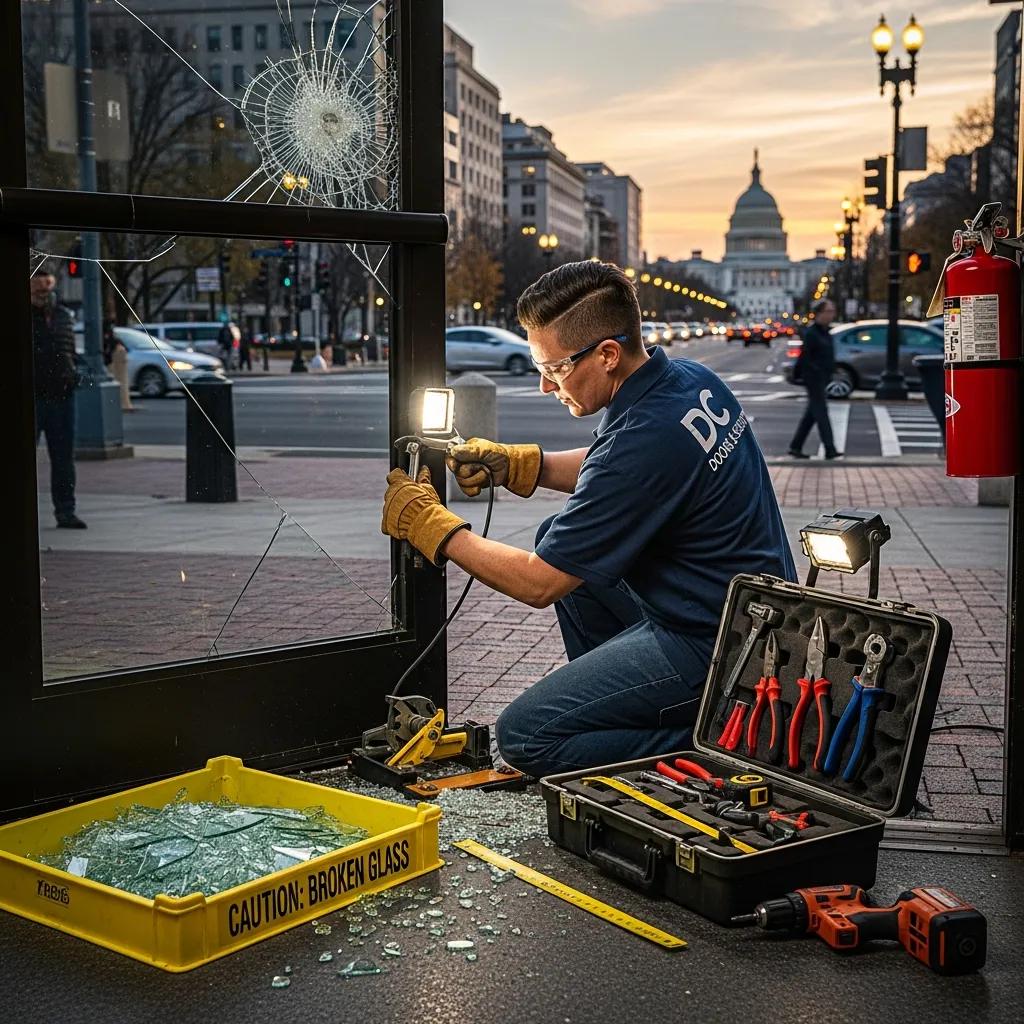



Commercial Doors Washington DC: Security & Durability Guide
Washington, DC Commercial Doors: Expert Tips for Security, Durability, and Seamless Installation
High-quality commercial doors in Washington, DC, are more than an entrance; they’re a building system that blends security, long-term performance, and correct installation to protect people and projects while boosting curb appeal. This guide breaks down why material choice, locking strategy, fire-rating, and insulation matter for Washington, DC, property managers and business owners.
You’ll see how the right spec cuts break-ins, trims maintenance spend, and improves tenant or customer perception. Each section gives practical guidance, quick comparison tables, and checklists so facility teams can make confident procurement and upkeep decisions. We focus on glass-specific considerations and DMV relevance while staying vendor-neutral until it’s time to recommend service actions.
Strengthening Your Business: Security and Access Features for Commercial Doors
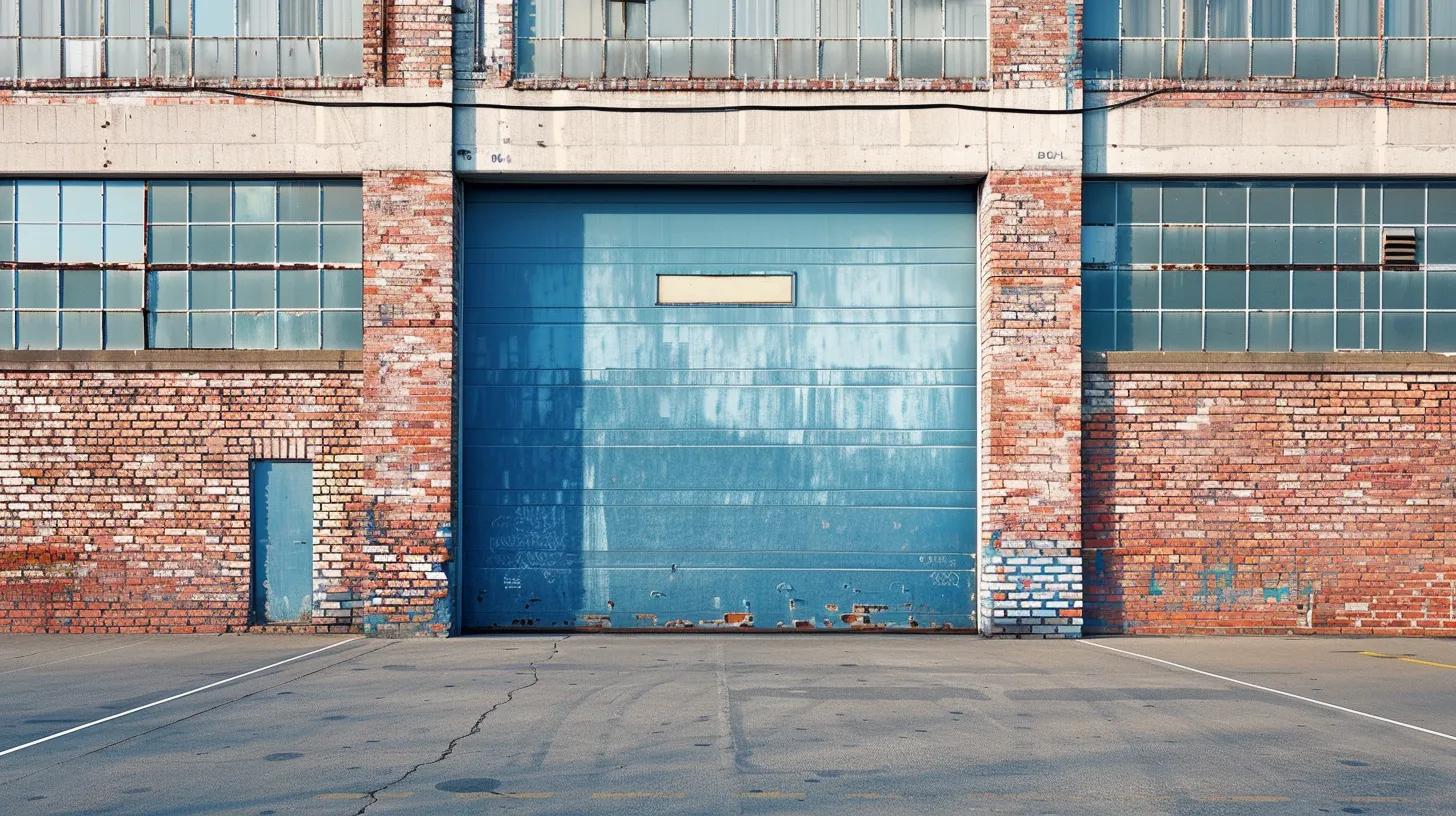
Choosing the right materials, glazing, frames, and locks can dramatically improve security while maintaining accessibility and code compliance. From laminated or tempered glass to reinforced steel panels and advanced locking systems, each decision balances visibility, durability, and protection.
This section walks DMV business owners and facility managers through practical strategies for selecting materials, hardware, and access control solutions that enhance safety, minimize maintenance headaches, and safeguard assets.
Essential Security Features of Commercial Doors, Washington, DC
Effective commercial-door security combines strong materials, layered locking, and reinforced hardware so entrances resist forced entry while still providing code-compliant egress. Quality systems use impact-resistant glazing or reinforced metal panels, multi-point or access-control locking, heavy-duty frames, and anti-extrusion strike plates to remove weak points.
Correct installation, tight tolerances, through-bolted anchors, and properly adjusted closer; completes the chain and ensures listed hardware performs as intended.
| Material Type | Security Attribute | Typical Performance |
|---|---|---|
| Tempered Glass | Impact resistance | High (breaks into small, less-dangerous fragments) |
| Laminated Glass | Penetration resistance | Very High (glass layers remain bonded under impact) |
| Steel Panel | Forced-entry resistance | Very High (difficult to breach) |
| Reinforced Aluminum Frame | Frame rigidity | Moderate–High (strong when reinforced) |
Use this comparison to prioritize laminated or metal options where security is critical, and tempered or insulated glazing where visibility and safety are balanced. Understanding these trade-offs leads naturally into hardware and access-control choices that complete the protection strategy.
Materials That Enhance Commercial Door Security
Materials that raise security include:
- Laminated and tempered glass – Laminated glass sandwiches a polymer interlayer that holds fragments together, offering superior penetration resistance while keeping storefront sightlines.
- Steel panels – Provide the greatest forced-entry resistance for back-of-house or service doors, but limit daylight. Designers often pair metal doors with secure sidelights.
- Reinforced aluminum frames – When combined with the right composite (for example, laminated IGUs), they preserve branding and natural light without sacrificing intrusion resistance. This combination also simplifies specifying compatible hardware and access control.
Level Up Security with Advanced Locking Systems
When locks are paired with durable door frames and laminated glazing, the entire assembly resists both opportunistic and targeted attacks. Professional installation and scheduled verification keep these systems reliable over time.
Advanced locking systems for commercial doors in Washington, DC combine mechanical strength with electronic control and auditability so you can limit access, log events, and respond quickly. Multi-point deadbolts, electromagnetic locks, and access readers work with keypads, cards, or mobile credentials to grant selective entry.
Biometrics add an extra verification layer for high-security zones. Redundancy matters: mechanical overrides and fail-safe egress (panic hardware) preserve life-safety and code compliance during power or network outages.
- Multi-point deadbolts that engage at multiple frame locations.
- Controlled-entry systems (keycard, keypad, or mobile credentials) with logging.
- Panic hardware and mechanical overrides to guarantee emergency egress.
- Hardened strike plates and through-bolted hinges to reinforce the frame.
Maximizing Durability and Performance in Commercial Doors
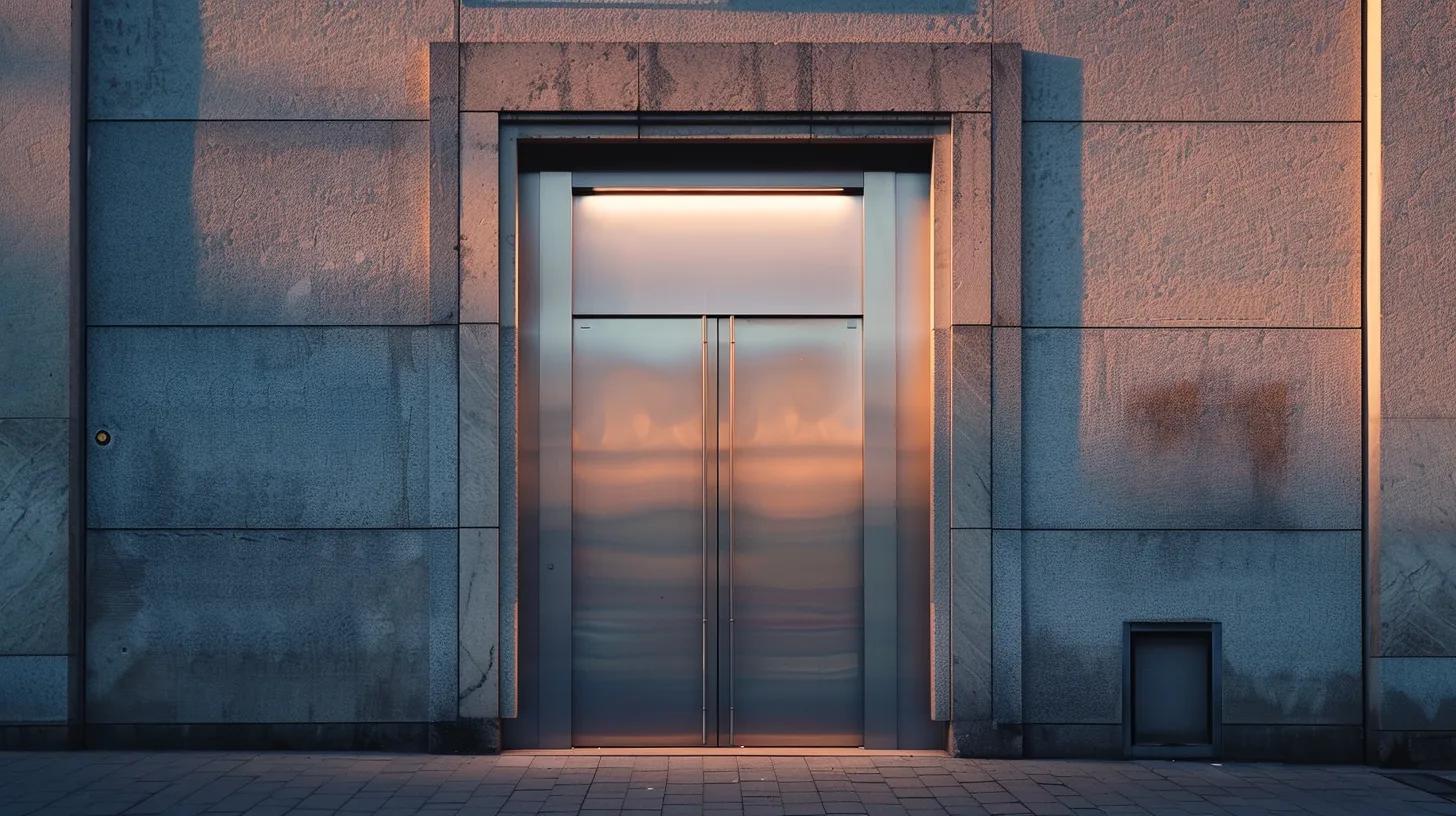
Durability and long-term performance rely on the right combination of materials, hardware, and proactive maintenance. From resilient steel frames to moisture-resistant fiberglass, every choice impacts how well a door withstands heavy traffic, weather, and time.
The following sections break down how materials, hardware, and upkeep work together to ensure your commercial doors remain secure, functional, and cost-effective over years of use.
Ensuring Durability and Long-Term Performance in Commercial Doors
Durability comes from resilient materials, corrosion-resistant finishes, robust hardware, and a proactive maintenance program that handles heavy traffic and weather exposure. Choose coatings, impact-rated cores, and commercial-grade closers to limit wear. Hardware specified to ANSI cycle ratings, correct thresholds, and thermal breaks in frames protect moving parts and seals, maintain energy performance, and reduce replacement frequency.
| Frame/Material | Durability Attribute | Maintenance Need |
|---|---|---|
| Steel Frame | Impact & abrasion resistance | Periodic corrosion inspections and protective coatings |
| Aluminum Frame | Corrosion resistance; lightweight | Regular seal and finish checks |
| Fiberglass Door | Moisture resistance | Minor surface upkeep; low rot risk |
| Wood Door (treated) | Aesthetics with moderate durability | Scheduled refinishing and seal maintenance |
Top Materials That Deliver Lasting Commercial Door Strength
Galvanized steel, reinforced aluminum with thermal breaks, and engineered fiberglass offer strong long-term performance, each addressing different stressors like impact, moisture, or thermal cycling. Choosing the right commercial door Washington materials can significantly reduce maintenance costs and improve reliability.
- Steel: Resists abuse in high-traffic or loading areas but requires protective coatings in humid or salty environments.
- Reinforced aluminum: Anodized or powder-coat finishes resist rust while remaining lightweight and thermally efficient, ideal for glazed storefronts.
- Fiberglass: Resists moisture and freeze-thaw damage, making it a durable option for exposed exterior entrances.
Matching the material to site exposure helps lower repair costs and ensures reliable operation over time.
Quality Hardware Extends Door Lifespan
Durable hardware , heavy-duty hinges, cycle-rated closers, robust thresholds, and weather seals , controls forces and prevents environmental ingress at stress points. For property managers, preventative-maintenance plans and on-call repair services extend service life and minimize downtime; Dr. Glass and Doors offers tailored maintenance and repair solutions across the DMV to keep doors performing.
Preventative maintenance checklist:
- Inspect hinges and fasteners quarterly for looseness or wear.
- Verify closer adjustment and backcheck settings monthly.
- Replace worn seals and thresholds annually or as needed.
- Test access hardware and panic devices at each inspection.
Consistent maintenance preserves function and complements the material and hardware choices above.
Enhancing Safety and Energy Efficiency with Fire-Rated and Insulated Doors
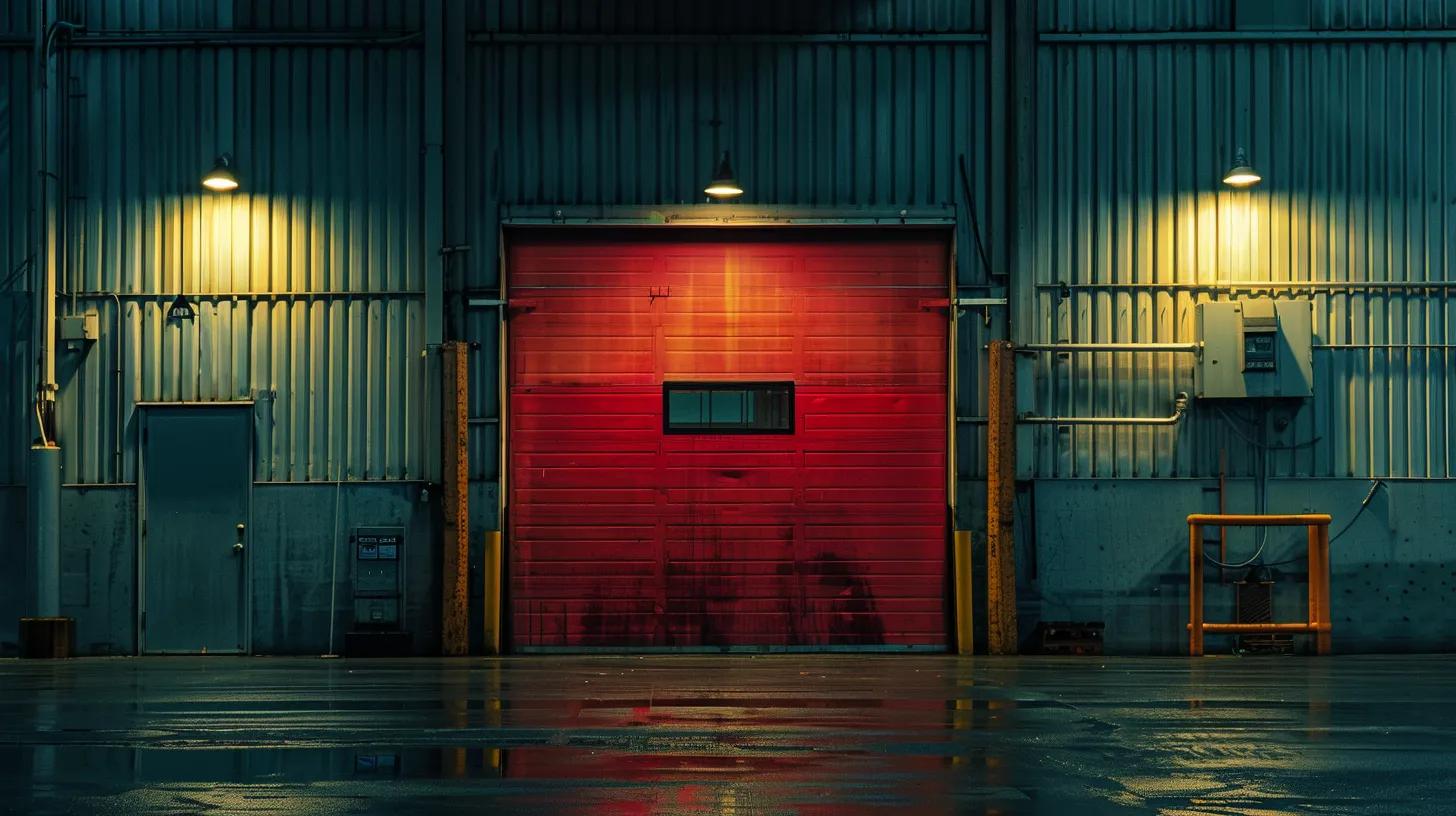
Fire-rated and insulated commercial doors in Maryland do more than provide access; they are critical components for protecting occupants, limiting fire spread, and improving building energy performance. By combining tested fire-resistance ratings with thermal insulation, these doors help meet code requirements, safeguard property, and reduce HVAC loads year-round.
The following sections explain key door types, fire-safety standards, and best practices for specifying and maintaining doors that keep both people and energy costs safe.
The Role of Fire-Rated and Insulated Doors in Safety and Energy Efficiency
Fire-rated and insulated doors protect occupants, limit fire spread, and lower heating and cooling loads by combining tested fire performance with thermal resistance. Fire-rated assemblies are tested to resist flame and heat transfer for set intervals (for example, per UL 10C), while insulated cores and thermal breaks boost R-value and reduce thermal bridging.
| Door Type | Fire/Insulation Attribute | Typical Benefit |
|---|---|---|
| Fire-Rated Steel Door | Fire rating (e.g., 60–90 minutes) | Compartmentation and occupant protection |
| Insulated Metal Door | Insulation core R-value | Reduced heat transfer and energy loss |
| Fire-Rated Glazed Door | Limited glazing with rated IGU | Visibility with certified protection |
| Thermal-Broken Aluminum | Thermal break to reduce conduction | Improved energy performance in framed storefronts |
Key Fire Safety Standards for Commercial Doors
Key standards for commercial fire doors include UL 10C (positive-pressure fire testing) and NFPA 80 (installation and maintenance of fire doors). Compliance requires properly labeled assemblies, compatible listed hardware, and documented inspection schedules. A compliant door must:
- Retain its fire-rating label.
- Use listed closers, hinges, and latching hardware.
- Maintain allowable clearances around the door and frame.
Inspectors commonly check for gaps, missing labels, or non-compliant hardware. Regular inspections and label verification not only reduce liability but also ensure that doors perform as intended during emergencies.
For Washington, DC businesses, it’s important to consult local codes for stairwells, corridors, and mixed-use buildings. Following NFPA 80 inspection intervals helps keep fire-rated assemblies reliable, supporting both life-safety and insurance compliance.
Fire-safety checklist:
- Verify the door label and that the assembly components are compatible.
- Ensure closers and latching hardware are listed for the door.
- Maintain specified gap tolerances and the integrity of seals.
- Schedule periodic inspections per NFPA guidance and local code.
Following these practices helps fire-rated doors perform as designed while supporting broader building safety and energy strategies.
Commercial Glass Doors for Washington, DC Businesses
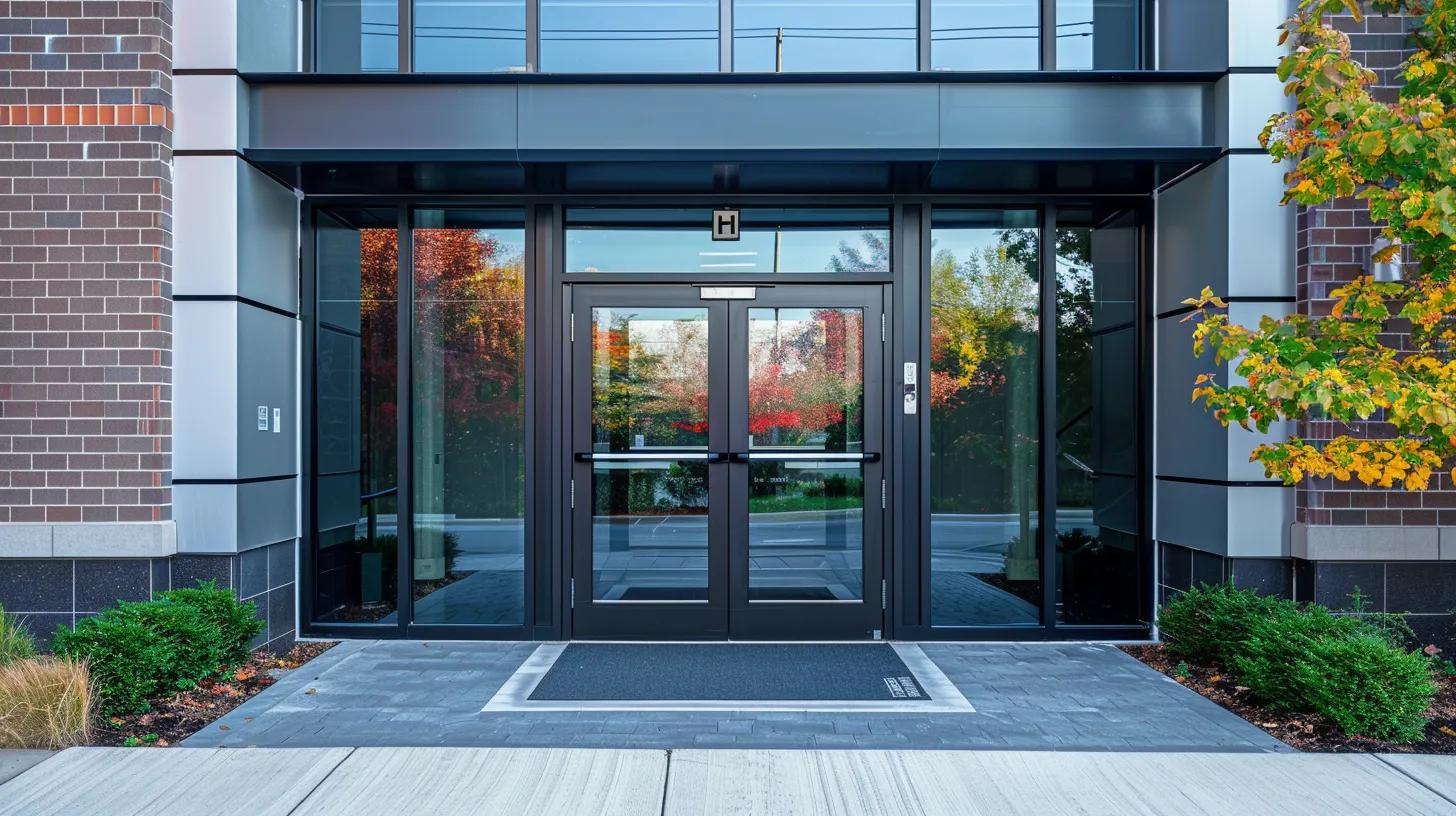
Commercial glass doors in Washington, DC, bring daylight, storefront visibility, and a modern look that attracts customers and elevates perceived space quality, a strong business investment for Washington, DC properties. These doors not only enhance the aesthetic appeal of your storefront but also create an inviting atmosphere, making your business more approachable. Natural light flowing through glass doors can help reduce lighting costs during the day, contributing to both sustainability and energy savings.
Key Benefits and Features of Commercial Glass Door Installations in Washington, DC
Glass storefronts offer multiple advantages:
- Increase daylighting and reduce daytime lighting needs.
- Create transparent interfaces that support window shopping and tenant appeal.
To meet both aesthetic and protection goals, security upgrades can include:
- Laminated glazing
- Applied films
- Integrated sensors
- Heavy-duty locks
Professional installation ensures:
- Weather-tight seals
- Correct thermal performance for DMV climate conditions
Design checklist for glass storefronts:
- Maximize signage area while preserving clear sightlines.
- Specify laminated IGUs for combined security and thermal performance.
- Use tested hardware and thresholds rated for high foot traffic.
- Plan for maintenance access and rapid repair response.
| Glass Feature | Primary Benefit | Trade-off/Consideration |
|---|---|---|
| Laminated IGU | Security plus thermal performance | Higher initial cost compared with single-pane options |
| Tempered Glass | Safer breakage pattern | Lower penetration resistance than laminated glass |
| Low-E Coating | Reduced solar heat gain and improved comfort | Potential glare considerations depending on orientation |
| Frameless Style | Minimal sightlines and clean aesthetic | Requires specialized hardware and precise installation |
Protect, Enhance, and Maximize Your Commercial Doors in Washington, DC with Dr. Glass and Doors
Investing in high-quality commercial doors in DMV is about more than just entry and exit, it’s a strategic choice that impacts security, durability, energy efficiency, and overall business appeal. Advanced locking systems, reinforced frames, and laminated glass combine safety with accessibility, while professionally installed commercial glass doors elevate curb appeal, maximize natural light, and create inviting spaces that attract customers.
For Washington, DC business owners and property managers, partnering with experts is the key to achieving these results. Dr. Glass and Doors offers tailored solutions, including commercial door installation, repair, emergency services, and preventative maintenance.
Contact Dr. Glass and Doors today to schedule a consultation or service appointment and experience the perfect blend of security, durability, and design for your Washington, DC, commercial property.